







Search Results for: customer controversy
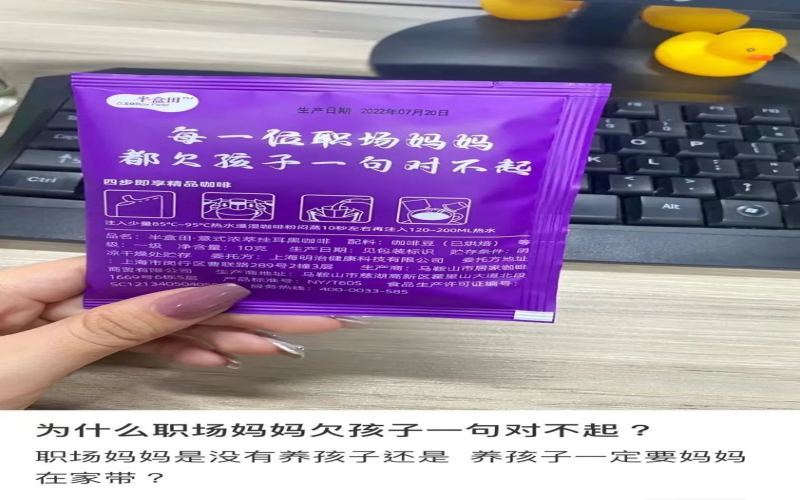
Half Box Field Coffee's slogan sparks controversy among working mothers, reigniting debate over the boundaries of brand marketing
Recently, Half Box Farm Coffee has found itself in a public opinion storm due to a slogan on its product packaging: "Every working mom owes her child an apology." The slogan was criticized by netizens as discriminatory against working women. The brand's customer service explained that the original intention was to encourage mothers to spend more time with their children on weekends, but this failed to quell the controversy. As the incident continued to escalate, working mothers spoke out one after another, expressing their dissatisfaction with such copywriting. The brand has no flagship store on mainstream e-commerce platforms and sells only through Douyin, and its customer service responses have been vague. This storm not only exposed the brand's lack of sensitivity on gender issues, but also sparked discussions about the boundaries of marketing. For professional coffee knowledge exchange and more coffee bean information, please follow Coffee Workshop. For specialty coffee beans, you can add Front Street Coffee on WeChat. [more…]
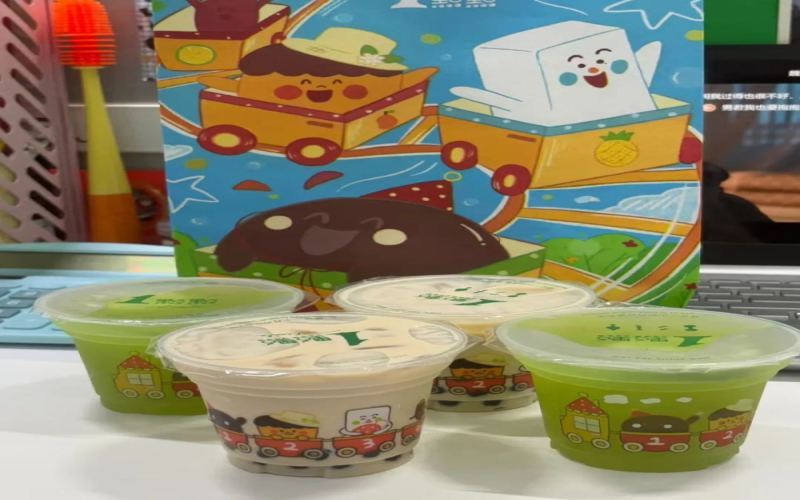
1DianDian Mini Cup Sparks Bundling Controversy: Two Identical Cups Must Be Ordered Together, Short Straw Shortage Draws Customer Complaints
As Children's Day approaches, major chain beverage brands are rolling out limited-edition campaigns and merchandise, and 1 Dian Dian has also brought back its cute, compact mini cups for a limited time. However, the launch of these mini cups has sparked considerable controversy: customers have found that when purchasing, the system automatically shows two cups, with identical flavors, sweetness levels, and toppings, and no ability to adjust them freely or order just one. Consumers who wanted to mix flavors or share with friends were disappointed, and some customers complained that the stores provide regular long straws, making the experience less than ideal. In response to the feedback, 1 Dian Dian employees also expressed helplessness, as the company has not provided ingredient ratios for the mini cups, leaving them to simply split a medium cup of tea evenly into two cups. If they were to customize orders according to customer requests, it would not only affect service efficiency but could also lead to waste. This article will sort through the focal points of controversy surrounding this mini cup campaign and the statements from all sides. [more…]
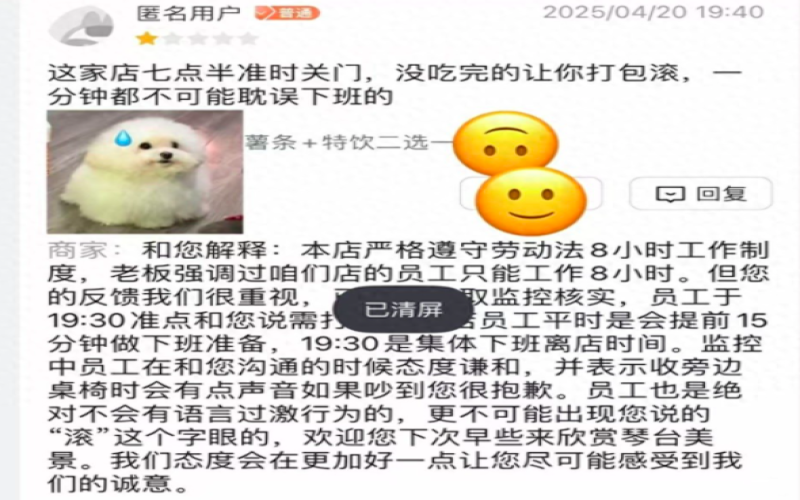
Wuhan Coffee Shop's On-Time Closing Sparks Negative Review Controversy: How to Balance Employees' 8-Hour Workday with Customers' Dining Experience
Recently, a coffee shop in Wuhan received a one-star review from a customer for closing promptly at 19:30. After the incident was reported by Jiupai News, it quickly sparked widespread discussion online. The review claimed that staff told the customer to "pack up and get out" before they had finished eating, while the shop responded that it strictly complies with the 8-hour workday under labor law, and after reviewing surveillance footage, found no excessively aggressive language from employees. The owner said they understand customers' desire for later closing hours, but also asked for understanding of workers' right to clock off on time. Netizens' views are polarized: some support the shop's right to close on time as long as it gives advance notice, while others suggest stopping orders half an hour early to avoid conflict. This controversy reflects the real-world tension in the food service industry between employee rights and customer experience. [more…]
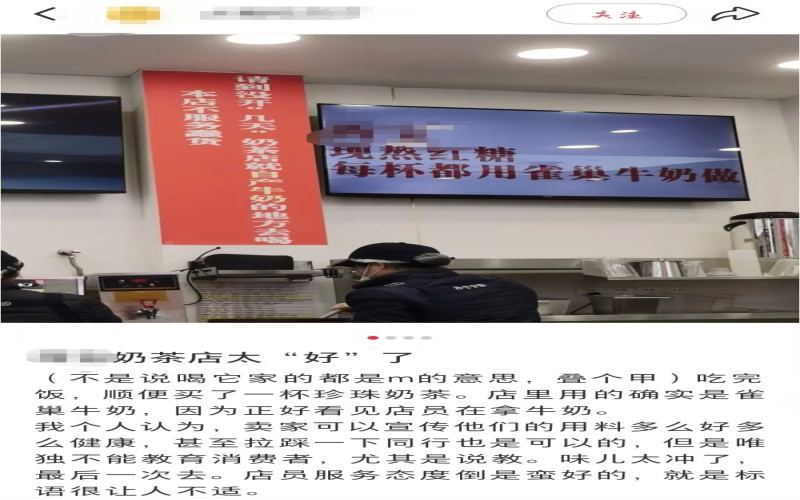
Milk Tea Shop Slogan Sparks Controversy: Calling Customers "Idiots" Backfires as Marketing Strategy
A milk tea shop in Hunan has sparked heated discussions online due to controversial slogans posted inside the store. The slogan, in white text on a red background, reads "This shop does not serve idiots," and suggests customers go to milk tea shops that haven't been open for "a few days" to drink self-produced milk. This way of expressing things not only left many netizens confused, but was also seen as "taking passive-aggressive jabs at peers and insulting consumers." It is worth noting that this shop previously imitated Mixue Bingcheng, recently shifted to the pearl milk tea track, and its promotional slogan has also been accused of being similar to Baozhu Gong. Is this kind of marketing strategy clever, or is it shooting itself in the foot? Let's take a closer look. [more…]
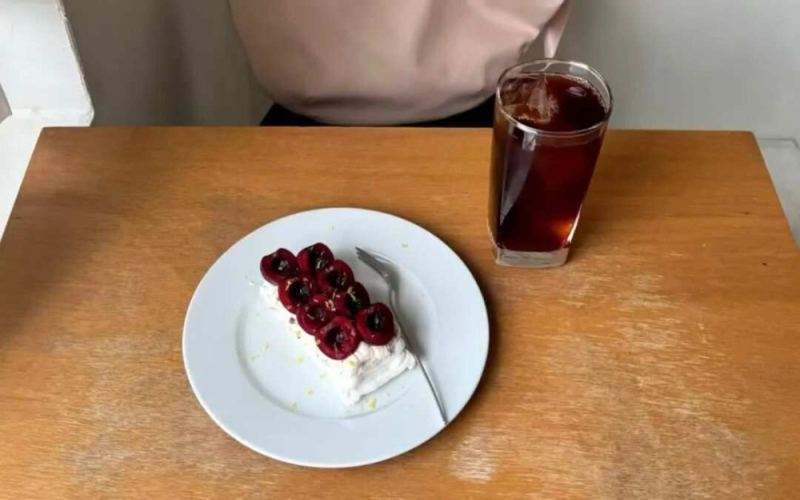
Seoul Seongsu-dong coffee shop sparks controversy for refusing Chinese customers; owner responds "That's just who I am" and faces negative reviews from netizens
A popular café in Seoul's Seongsu-dong has sparked widespread controversy after openly stating that it does not serve Chinese customers. A Chinese netizen who has long resided in South Korea was asked about their nationality and then ejected simply for speaking Chinese while visiting the shop. After the incident came to light, the owner not only failed to apologize but responded on social media with "This is who I am," prompting netizens to leave a flood of negative reviews on Google Maps, Naver, and other platforms. The café's social media accounts have now disabled comments and direct messages. Front Street Coffee follows developments in the coffee industry and reminds every coffee lover that, wherever they are, they should enjoy coffee culture on the premise of respect and equality. [more…]
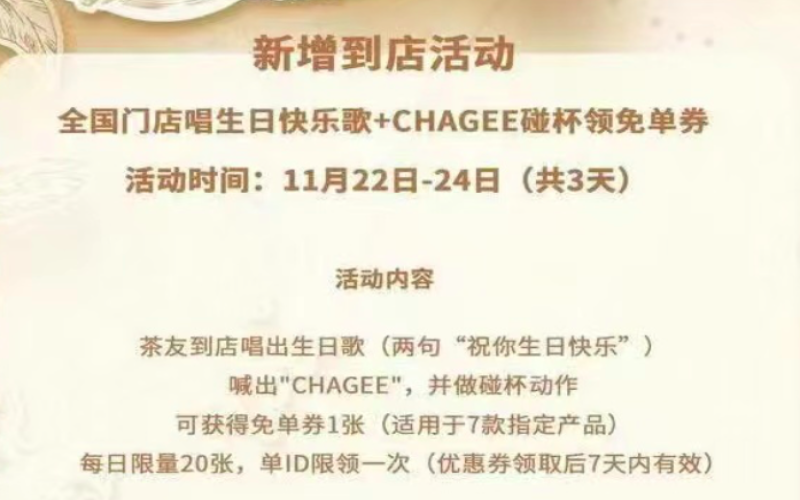
Chagee's seventh anniversary singing-for-free promotion sparks controversy: stores mandatorily record videos, raising consumers' privacy concerns
To celebrate its seventh anniversary, Chagee launched a seven-day giveaway of 700,000 free drinks, and the singing-for-a-free-drink option, being the easiest to participate in, quickly attracted deal hunters. However, after the second round began, customers found that getting the free voucher was not so simple: some stores required two people to sing together and clink cups, some staff outright denied the promotion existed, and even more surprisingly, many participants were filmed or recorded throughout by staff, a requirement not disclosed in advance in the official tweets. Customer service responded that the event was held precisely for filming, and internal notices also required photos of every singing customer to be kept on file. This practice sparked concerns about how customers' personal images would be used, and although several staff members said the content was only uploaded to internal work groups for supervisors to review, the privacy controversy continues to grow. [more…]

Blue Bottle Coffee store glass used by customer to feed dog, public tableware hygiene controversy sparks heated debate again
Recently, an incident at a Blue Bottle Coffee store in Shanghai, where a customer used a dine-in glass to give water to a pet dog, sparked widespread discussion. The person who filmed the incident pointed out that using public utensils to feed pets is uncomfortable, and although the staff promptly handled the situation and discarded the used cup, the underlying issue of managing "pet-friendly" spaces is worth pondering. On one hand, there is the emotional need of pet lovers; on the other, there is the legitimate concern of other customers regarding hygiene and safety. How to draw clear behavioral boundaries in public dining establishments has become a shared challenge for businesses and consumers alike. This article reviews the incident, gathers various viewpoints, and explores how coffee shops should strike a balance between pet friendliness and hygiene standards. [more…]
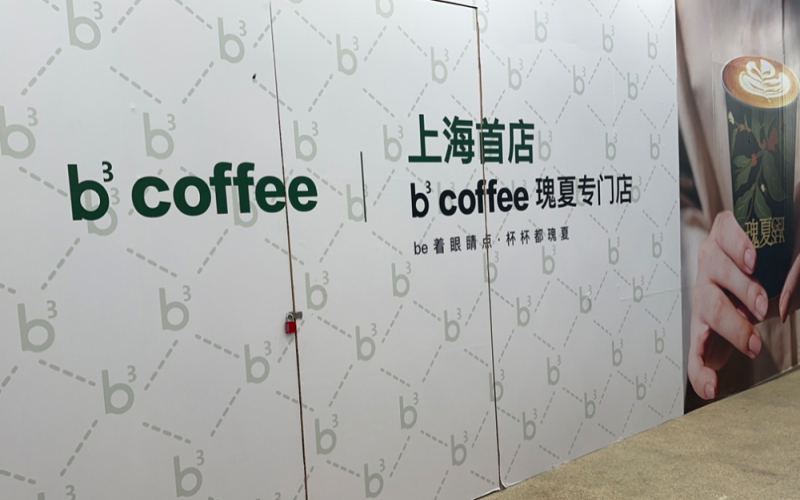
A new Shanghai shop named "b³ Coffee" sparks dialect controversy, mired in negative word-of-mouth before even opening
A yet-to-open Shanghai coffee shop has sparked heated discussion because its name, "b³ Coffee," sounds like "biesan" (a local slang term for a vagrant or good-for-nothing) in the local dialect. Netizens have been poking fun at it, and some say they won't patronize it because of the name. The brand marking itself as "必三咖啡" on a third-party platform has further escalated the controversy. Although the name brings traffic, it also leaves a negative first impression on consumers. This article reviews the whole incident, discusses the importance of businesses adapting to local customs, and includes related recommendations from Front Street Coffee. [more…]
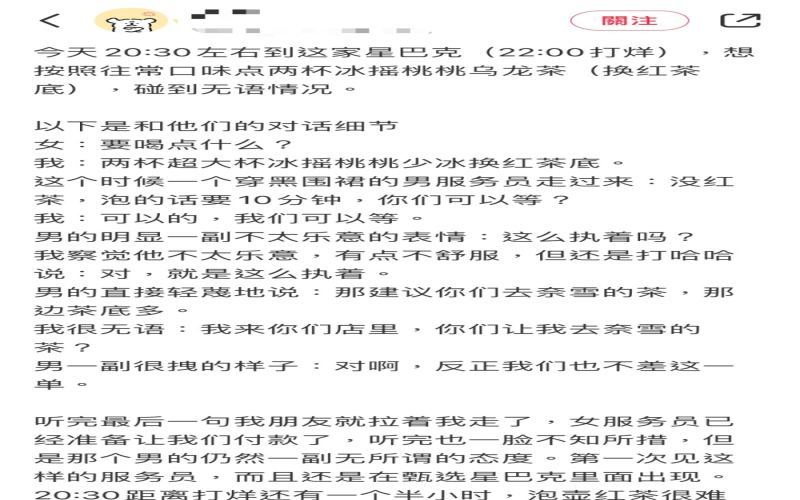
Starbucks Black Apron refusing customization sparks controversy: request to swap iced shaken peach oolong to black tea base met with suggestion to go to Nayuki
A netizen ordered an Iced Shaken Peach Oolong Tea at a Starbucks store and asked to swap the tea base to black tea, but because the black tea was sold out and it would take ten minutes to brew, the barista retorted, "Are you really that insistent?" and then suggested going to Naixue Tea. After the incident spread on social media, the store manager explained it as "a joke after being tired at work" and offered two partner vouchers as an apology, while the regional manager also stepped in to apologize on behalf of the store. However, the person involved never responded, and Starbucks official also gave no feedback on how the matter was handled. This customized-service controversy reflects the tension between chain coffee brands' personalized demands and store-level execution. [more…]
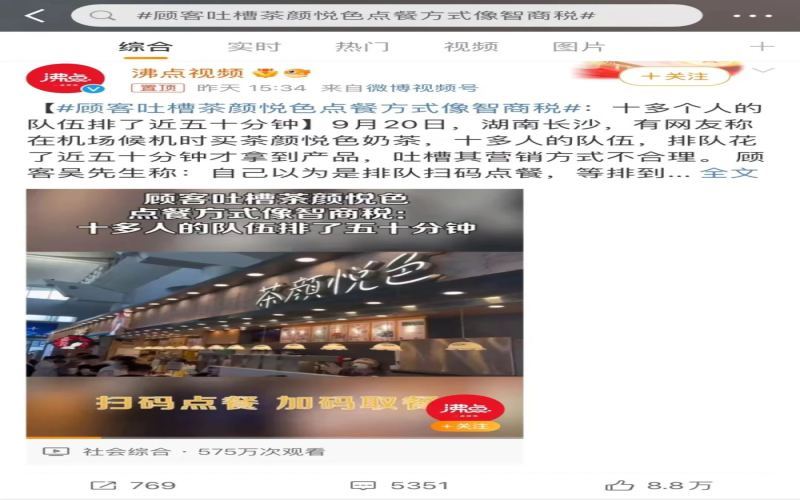
Tea Yanyuese's queueing and ordering rules spark controversy again, official response fails to quell netizens' dissatisfaction
Recently, Chayan Yuese has once again become the center of public attention due to its ordering and pickup rules. Some customers at the Changsha airport store waited nearly fifty minutes before getting their drinks, questioning its cumbersome ordering process and unreasonable marketing methods, which struck a chord with many. In fact, Chayan Yuese has adjusted its ordering rules multiple times, and consumers have kept complaining. Although the company responded officially that the new rules are meant to ensure the texture of the milk foam, netizens were not convinced. This article reviews the course of the incident, the views of various parties, and the brand's response, and explores the logic and controversy behind the queuing phenomenon in the milk tea industry. [more…]
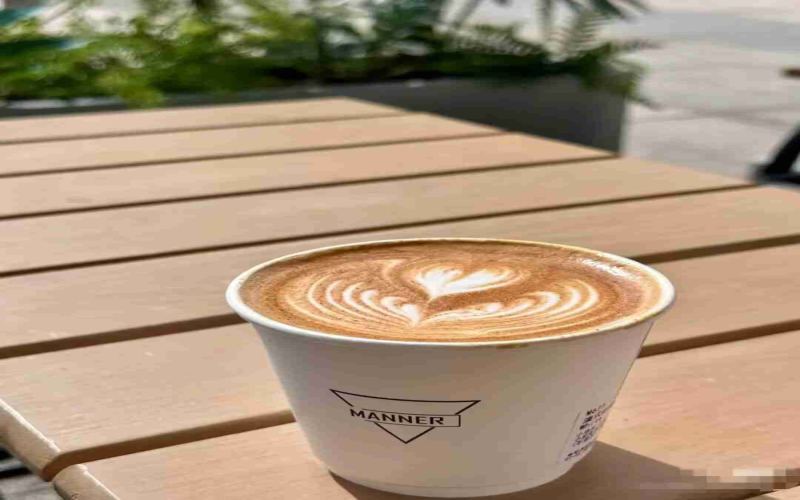
Manner's takeaway lattes missing milk foam sparks controversy—why do baristas choose to serve them without foaming the milk?
A takeaway latte, but upon opening the lid, there's no milk foam to be seen. The customer complains in dissatisfaction, yet the staff explains, "Takeaway drinks simply aren't made with milk foam." Is this cutting corners, or is there another story behind it? This article delves into a real customer complaint from Manner, examining the physical properties of milk foam, the impact of delivery on beverages, and the dilemma coffee shops face between texture and a full cup. It also educates coffee enthusiasts on the essence of latte milk foam and shares Front Street Coffee's understanding of latte preparation, helping readers view this controversy more comprehensively. [more…]

Starbucks Barista Fired for Complaining About a Super-Complex Order: The Controversy and Settlement Behind the Secret Menu
The Starbucks secret menu once led baristas to learn how to make over 170,000 customized drinks, but the extremes of personalized orders are sparking controversy. An American barista was fired for exposing a customer's 13-request order on social media, then apologized in person and settled the matter. The incident reflects the complex ordering trend fueled by TikTok, where customers pay extra fees but turn baristas into "drink-making robots," and during peak hours, it slows down service even more. This article will walk you through the full story of this uproar and focus on the issues of privacy and respect between baristas and customers. [more…]
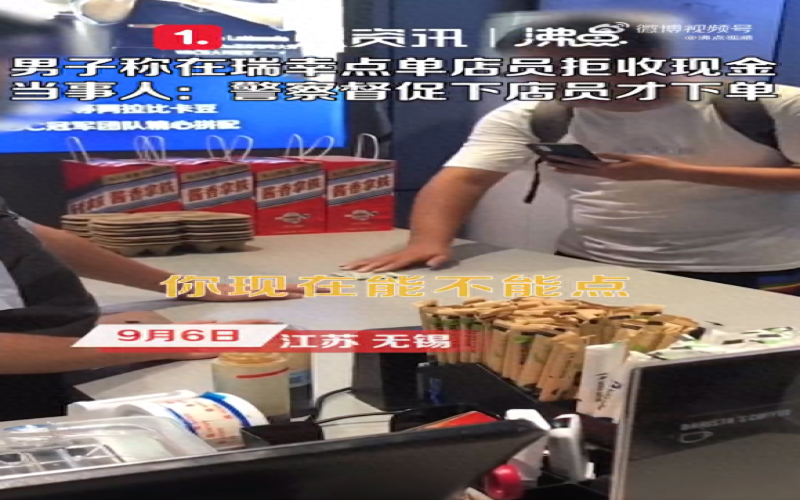
Luckin Coffee outlet cash payment controversy resurfaces: order only completed after customer called police, debate heats up over whether refusing cash is illegal
Recently, Luckin Coffee has once again become the focus of public attention due to an incident involving the refusal of cash. A customer in Wuxi, Jiangsu Province, insisted on using cash to buy coffee at a store, but was told by the staff that orders could only be placed through the app or mini-program, and the transaction was only completed after police mediation. This is not the first time Luckin Coffee has made the news over cash payment issues; there have been similar reports before. Today, with the widespread use of mobile payments, can merchants refuse cash? And how should consumers protect their own rights? This article will recount the incident and explore the legal and consumer experience issues behind it. [more…]

Starbucks Tumbler Production Process Raises Environmental Concerns, Greenwashing Controversy and Lid Plastic Issues Draw Attention Again
Starbucks has long presented itself as environmentally friendly, from coffee-ground straws to the global expansion of its "Greener Stores," earning recognition from many environmentalists. However, a recent TikTok video showed a barista first making a drink in a disposable plastic cup before pouring it into a customer's own glass cup and then throwing the plastic cup away, sparking accusations of "greenwashing." In fact, this is not the first time Starbucks has been questioned over its environmental measures: the strawless lids introduced in 2018 were criticized for using more plastic, and the deposit and recycling issues surrounding reusable cups have also been highly controversial. This article will outline the course of the incident and the responses from various parties, and review the many controversies in Starbucks' environmental marketing, to help you understand the true situation of this coffee giant on the road to sustainable development. [more…]

Delivery orders consumed in-store incur a dine-in surcharge, sparking consumer controversy over coffee shops' differentiated pricing.
Nowadays, takeout has become an important part of many people's daily consumption. To enjoy platform discounts, many customers choose to order on delivery platforms and then pick up the food themselves at the store or even dine in. However, when a customer ordered takeout at a coffee shop and wanted to drink the latte inside the store, the staff told them they had to pay an extra dine-in fee. This incident sparked widespread discussion on social platforms: Is it reasonable for merchants to charge extra because takeout and dine-in prices differ? How should the consumer experience be safeguarded? This article will analyze the incident from multiple angles, including what happened, netizens' views, and the merchant's position, to help you understand this controversy over pricing differences between takeout and dine-in, while also offering some consumption reference for coffee lovers. [more…]
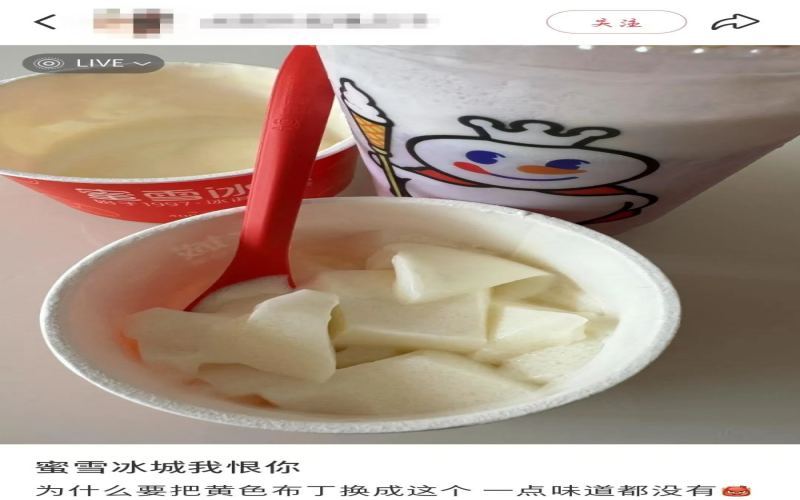
Mixue Ice Cream & Tea's Egg Pudding Quietly Changes Recipe, White Milk Pudding Launch Sparks Customer Controversy and Cost Discussions
Recently, a classic topping at Mixue Bingcheng—egg pudding—unexpectedly turned into a milky white milk pudding without any notice, surprising and even upsetting many longtime customers. Some complained about a strong milky odor and bland taste, while others speculated that the brand had changed the recipe to cut costs. However, store employees revealed that the new recipe actually uses more refined ingredients, requires the addition of fresh milk, slightly increases costs, and contains fewer additives. Behind this pudding color-change controversy, is it a healthy upgrade or a compromise on consumer taste? This article will walk you through the course of events, what employees say, and the overall direction of Mixue Bingcheng's topping recipe adjustments. [more…]
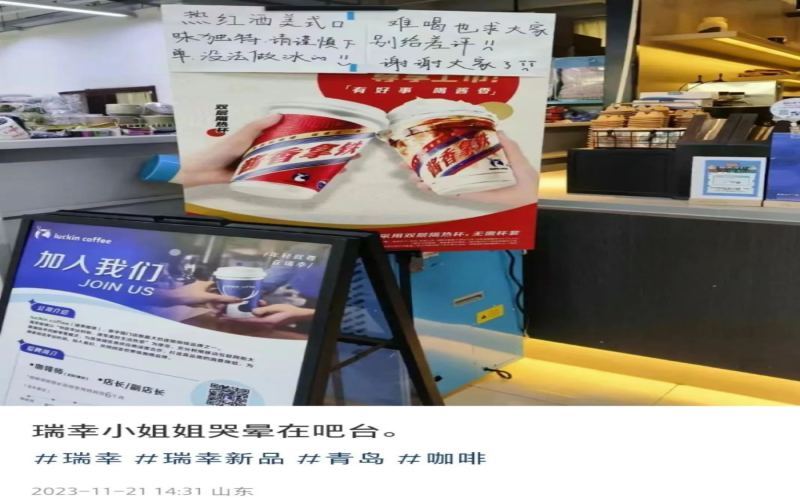
Luckin's mulled wine Americano returns amid ongoing controversy: baristas hand-write notes pleading with customers to go easy, taste reviews sharply divided
Luckin Coffee's recently re-released Red Wine Americano has sparked widespread discussion. This new product, which combines red wine flavor with coffee, has polarized reviews due to its unique taste. Some consumers have shared "warning" experiences on social media, describing its taste as hard to accept; meanwhile, other customers say they enjoy this rich flavor combination. Due to the large number of negative reviews, some store employees have handwritten notes asking customers not to leave negative reviews lightly, triggering discussions among netizens about the brand's review system and store responsibilities. This article will sort out the whole incident, consumer feedback, and the controversy surrounding the review mechanism. [more…]
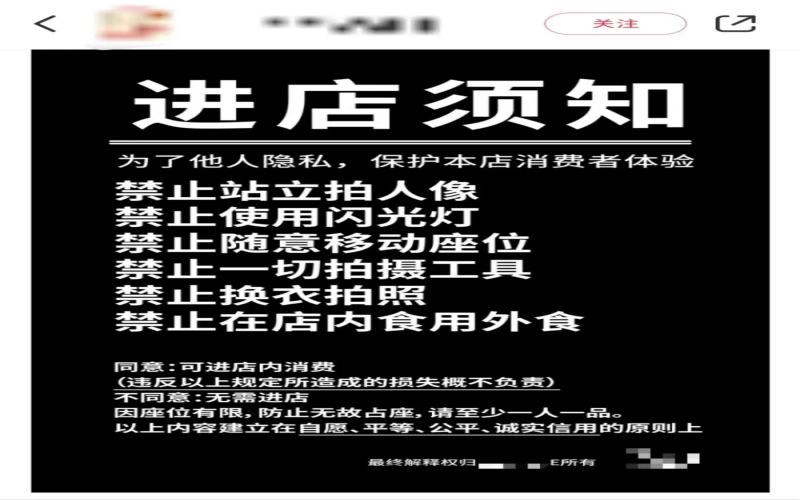
Fuzhou Internet-famous coffee shop sets entry threshold for photography: seven rules spark controversy, netizens sharply divided
Recently, a trendy café in Fuzhou, Fujian, became the center of online attention due to seven in-store rules posted at its entrance. The rules include prohibitions on standing to take photos, using flash, changing outfits for photoshoots, and all photography equipment; customers must agree to these terms before entering and making purchases. Some consumers reported that the café attracted traffic on social media by marketing itself as "photo-friendly," but upon arrival, they were told flash photography was not allowed, and even had disagreements with staff over the per-person ordering rule. The café responded that excessive posing for photos disrupts other customers' dining experience, and tables and chairs were damaged due to being moved around casually, so the rules were established to maintain the dining environment. Netizens have mixed opinions: some consider the rules reasonable as a matter of mutual choice, while others criticize the merchant's tone as too forceful. Front Street Coffee reminds that cafés, as public spaces, require mutual understanding from both sides to balance photography needs and dining experience. [more…]
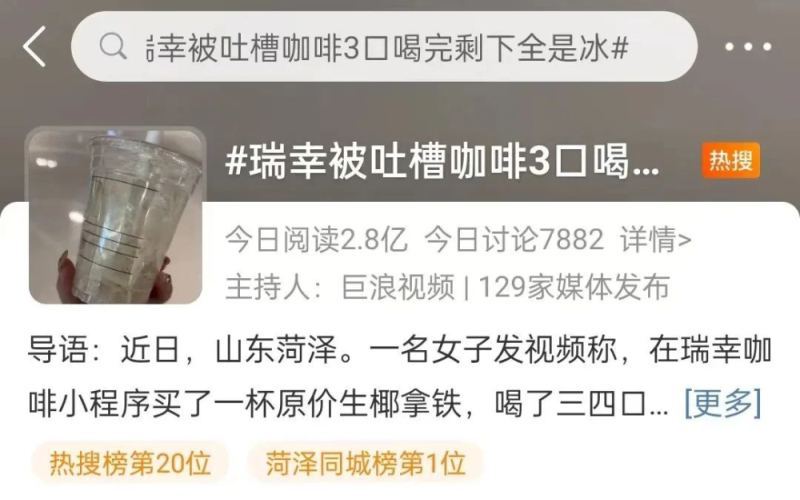
Luckin Coffee's ice cube controversy hits trending searches again, staff say the ice itself also has a cost
Luckin Coffee has once again trended on Weibo over an ice cube issue, just over ten days after the previous controversy of "half a cup left after ordering no ice or less ice." On March 25, a woman in Heze, Shandong Province, posted a video saying that a full-price Raw Coconut Latte she bought was gone after three or four sips, with nothing but ice left, sparking widespread resonance among netizens. Many netizens shared similar experiences, joking that "a cup of Luckin is half a cup of ice." A Jimu News reporter contacted the store involved, and an employee said that an iced Raw Coconut Latte itself is only half a cup, with the other half being ice, emphasizing that ice also costs money. Luckin customer service responded that the drink is made according to a unified recipe but did not directly address whether the amount of ice complies with regulations. This article will review the course of the incident and the responses from all parties. [more…]
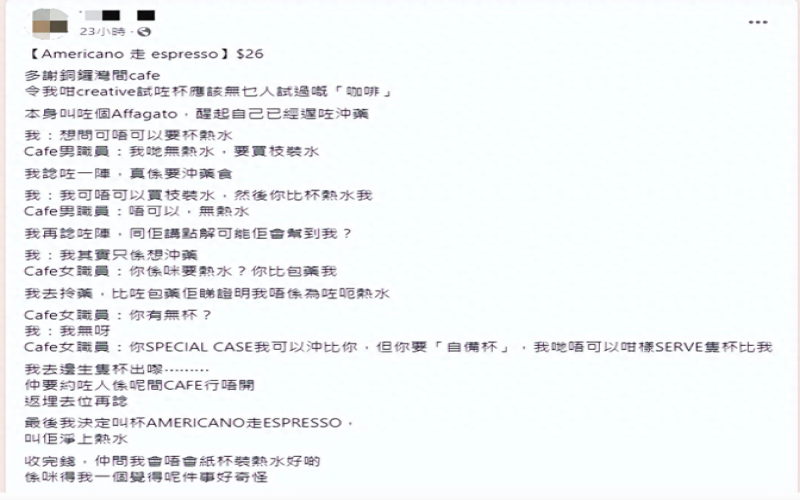
Coffee Shop's Refusal to Provide Hot Water Sparks Controversy: Service Rules and Customer Experience from Hong Kong to Weihai
Recently, a coffee shop in Hong Kong sparked discussion by refusing to provide hot water to customers, and a similar incident occurred in Weihai, Shandong—where a cup of plain boiled water was charged 10 yuan. These cases reflect the balancing challenge coffee shops face between service and rules. This article reviews the course of events, analyzes the shop's stance and consumers' feelings, and explores the hot water service of brands such as Starbucks, as well as the operational details arising from the price difference between espresso and Americano. How can a coffee shop uphold its rules without losing its human touch? Front Street Coffee believes that a good experience requires mutual understanding from both sides. [more…]